A Stone's Throw from Anywhere: Six Dorset Boundary Markers Worth the Mud
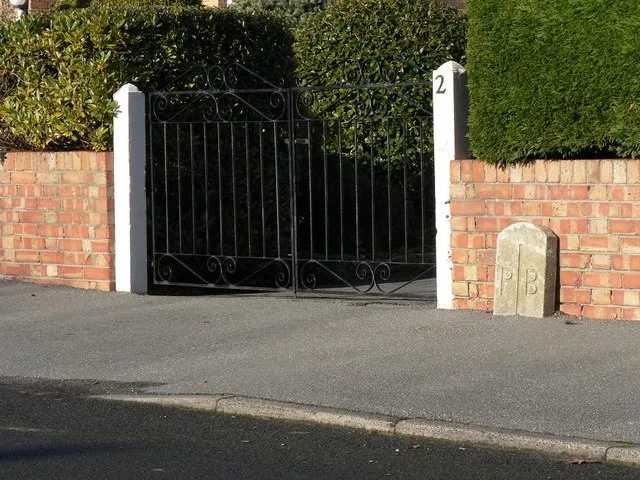
Photo: Chris Downer, CC BY-SA 2.0, via Wikimedia Commons
Boundary stones do not announce themselves. They sit in hedge bottoms, at the back of verges, on lanes that feel more like suggestions than roads. Most of us pass them without a glance. But in winter, when the nettles are down and the hedges are see-through, they become oddly compelling: small bits of stone doing the work of maps, memory and local argument.
Here at Dorset Dorset, we like a walk with a small, unreasonable purpose. So this is not a grand ridge route or a coast-path epic. It is a scavenger hunt for the county's least glamorous relics — six old markers that reveal how Dorset's edges were drawn, disputed and, occasionally, ignored. Wear boots. Take a phone for grid references. And do not expect a visitor centre.
The Plush Stoops, Cerne Valley
Start in Plush, where the lane twists past cottages and the valley seems to fold in on itself. On the hedge line towards Alton Pancras, a low stone stoop carries faint initials and a coat of moss that makes it look older than it probably is. This is parish-boundary business at its most practical: not a straight line on a map, but a mark where people agreed that one community ended and another began.
What it reveals is that Dorset's edges were often local, watery and slightly vague. Streams, hedges and ancient tracks did the work long before anyone drew a neat line. The approach is short — fifteen minutes of lane and field edge, muddy in the usual places — and the reward is a pint at The Brace of Pheasants in Plush, where the fire is more reliable than the weather.
The Cattistock Hedge Stone, near Chilfrome
On the lane between Cattistock and Chilfrome, a carved stone sits low in the hedge like a dropped suitcase. The lettering is worn enough to be ambiguous, which is half the fun. These markers were not made for walkers; they were made for people who needed to know which parish would pay for the poor, repair the gate or argue about the fence.
Approach from Cattistock church and follow the lanes and field edges towards Chilfrome. It is not a long walk, but it is a damp one, and the stone is easy to miss if you are admiring the view. Afterward, The Fox and Hounds at Cattistock is the obvious stop for something warm and unfussy.
The County Stone at Three Legged Cross
Three Legged Cross sits in that half-wooded, half-heathland edge of east Dorset where the county feels less like a border and more like a mood. On a verge near the old boundary with Hampshire, a county stone — or what remains of one — reminds you that Dorset's edge was once a serious administrative line, even if it now looks like a place to park a van.
What it reveals is porosity. People, cattle and contraband moved across these edges long before anyone worried about county identity. The approach is barely a walk: a few minutes from the village, head torch useful in the afternoon gloom. For a tea stop, aim for the village pub and a window seat. The stone is not beautiful. That is rather the point.
The King's Stag Marker, Blackmore Vale
In the dairy country around King's Stag, boundaries followed hedges and droves rather than drama. A marker on the lane towards Hazelbury Bryan — squat, grey, half-hidden — is a reminder that parish edges here were about grazing, tithes and the small politics of who maintained what.
Winter is the right time. The hedges are thin, the lane is quiet, and the stone appears like a punctuation mark in a long sentence of mud. Walk from King's Stag, take the lane and a field edge, and allow twenty minutes each way. Then repair to The King's Stag for a pint and the kind of low-beamed warmth that makes wet socks feel like a minor inconvenience.
The Portland Boundary Stone, Chiswell
Portland does not do soft edges. At Chiswell, near the old causeway approach, a boundary stone speaks to the island's long sense of being separate — not quite Dorset, not quite anywhere else. Portland's history is full of its own customs, quarries and stubborn identity, and the stone is a small physical footnote to that.
Approach from Chesil Beach and the Chiswell seafront, where the wind will do its best to remove your hat. It is a short, salty wander rather than a proper hike. Afterward, The Cove House Inn at Chiswell is the place to sit with a mug of tea or something stronger and watch the sea do its grey winter thing.
The Cranborne Chase Stone, near Sixpenny Handley
On the edge of Cranborne Chase, near Sixpenny Handley, old stones mark the meeting of parishes, estates and former hunting ground. This is a landscape of long views and thin soils, where a marker in a hedge can feel like the last surviving witness to a very old argument about rights and routes.
The approach is a lane-and-field-edge walk from the village, muddy after rain and exposed when the wind gets up. The stone itself is modest — no plaque, no interpretation board. That is why it works. Finish at The Roebuck Inn in Sixpenny Handley, where a plate of something hot makes the whole expedition feel sensible rather than eccentric.
The Case for the Unlovely Relic
Boundary stones will never compete with Durdle Door or a cream tea on a sunny lawn. They are lumpy, lichened and frequently illegible. But they are also honest. They show that Dorset's edges were made by use, habit and negotiation, not by a cartographer with a ruler.
A winter walk to find one is a small act of attention. You notice the hedge line. You wonder who carved the letters. You realise that the county is not just a shape on a map but a series of local agreements, some of which are still quietly in force. Take a photo, note the grid reference, and have the pub stop. The stone will still be there next year — muddier, mossier, and just as easy to miss.