Tide, Scope, Thermos: A Winter Birding Weekend on Poole Harbour
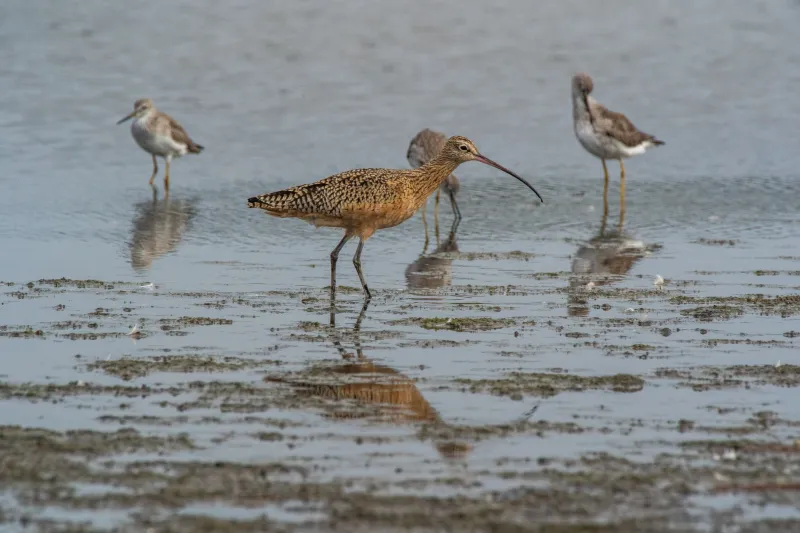
Poole Harbour in winter doesn’t do spectacle in the shouty sense. It does something quieter: vast sheets of grey water, low light, and birds packed onto mudflats like punctuation. The harbour is one of those places where the best plan is barely a plan at all — you check the tide, pick a corner, and let the day unfold. This is a weekend for thermos flasks, waterproof trousers and the sort of binoculars you don’t mind getting salty.
Let the tide set the timetable
If you take one thing from this guide, make it this: in winter, the tide is the editor. At low water, waders spread out across the mud to feed. At high water, they bunch together on roosts, often closer to hides and viewpoints. Neither is better; they’re just different programmes. A falling tide around Arne can be magical, while a rising tide at Brownsea or in the town-centre lagoons can put birds right in front of you. Check a local tide table before you leave the house, then build the day around it rather than fighting it.
Winter visitors to the harbour include avocets, black-tailed godwits, dunlin, redshank, brent geese, shelduck and red-breasted mergansers. You might also catch goldeneye, little grebe and the occasional spoonbill, depending on where you are and how cold the weather has been. None of these are guaranteed, of course. That’s part of the appeal.
Arne: heath, hide and harbour
RSPB Arne is the obvious starting point, and obvious isn’t always bad. In winter it feels pleasingly stripped back: dark heathland, skeletal birch, and the harbour opening out beyond the trees. The hides give you shelter from the wind and a chance to watch without trampling the edges of the mudflats. Go early if you can. The car park fills on bright weekends, and the light is better before lunch.
Don’t rush straight to the water. The heathland holds its own winter birds — Dartford warblers if you’re lucky and patient, stonechats more reliably — and the walk out to the shoreline is part of the experience. Keep dogs on leads around the reserve and give roosting flocks a wide berth. It sounds obvious, but a single loose dog can lift hundreds of birds and waste their energy on a cold day.
Brownsea in the quiet months
Brownsea Island is the harbour’s showpiece, but winter changes the rhythm. Ferries are limited and opening times can be seasonal, so check before you set your heart on it. When you do get across, the lagoon is the draw: a sheltered, shallow bowl where winter wildfowl and waders gather. The National Trust and Dorset Wildlife Trust look after the island, and the atmosphere in the cold months is wonderfully subdued.
Bring a scope if you have one. Brownsea rewards distance viewing, especially when the birds are roosting on the far side of the lagoon. And dress for the boat: the crossing is short, but the wind off the harbour has a way of finding the gap between your coat and your gloves.
Town-centre birds at Radipole and Lodmoor
Not all the best winter birding requires a remote trudge. RSPB Radipole Lake sits right in Weymouth, a surprising pocket of reedbed and open water a few minutes from the shops. Lodmoor is nearby, with wide skies and wet grassland that pulls in ducks, gulls and waders. These are easy, low-commitment reserves — good for a grey morning when you want birds without a full expedition.
Because they’re urban-edged, they’re also good places to practise quiet watching. Use the hides and screens, keep your voice low, and resist the urge to get closer for a phone photo. The birds here are used to people, but not to being chased.
Watching without wrecking it
Poole Harbour is a working harbour and a protected landscape, and winter is when the birds need it most. Stay on marked paths, use hides where they exist, and keep your distance from roosts. If a flock lifts as you approach, you’re too close. Drones are a non-starter around wildlife. Dogs should be under control, especially on beaches and reserve paths. And if you’re using a scope or long lens, remember that the bird’s welfare comes before the shot.
The reward for good behaviour is better watching. Undisturbed birds settle, feed and go about their business, which means you actually get to see what they do rather than just watching them fly away.
Where to thaw out
A winter birding weekend needs a warm interval. In Wareham, the quayside pubs and cafés are well placed for a bowl of soup or something more substantial after a morning at Arne. In Poole, the Old Town and Quay have plenty of options for a late lunch — chowder, chips, a proper coffee — while Weymouth town centre is handy after Radipole or Lodmoor.
My advice: don’t over-plan the food. Pick somewhere that looks warm, has a window, and doesn’t mind muddy boots. That’s most of the battle in November.
A simple weekend shape
Saturday: start at Arne on a falling tide, walk the heath, then settle into a hide as the water pushes birds closer. Thaw out in Wareham. Sunday: check the Brownsea ferry situation; if it’s running, take the crossing and spend the morning around the lagoon. If not, head to Radipole and Lodmoor for an easier, town-centre fix. Finish with a walk along Poole Quay as the light goes.
You won’t see everything. You might see very little. But that’s winter birding: a slow, tide-led business of cold hands, hot tea and the sudden thrill of a flock turning in the light. Dorset does it rather well.