The Quiet Pint: Six Dorset Rooms Where Nobody Is in a Hurry
Photo: aankleding: L.W. van der Meulen, CC BY-SA 3.0, via Wikimedia Commons
There is a particular sound to a good pub in November. It is not silence, exactly. It is the tick of a clock, the shift of a log, the clink of a glass being put down with no hurry behind it. Nobody is shouting over a speaker. Nobody is watching a screen. Nobody is apologising for the fact that the room has gone quiet.
Dorset does loud weekends very well. Summer crowds, food festivals, beach car parks, pubs with a band in the corner and a queue at the bar. All fine, in their place. But the county also has a quieter tradition, and it is one worth protecting: the village pub that has not been persuaded to become a destination. The sort of place where the only notification is the fire settling.
How to spot a genuinely quiet pub
Start outside. A pub that wants to be quiet rarely shouts about it. Look for a simple frontage, a couple of benches, a chalkboard that mentions soup rather than a 'concept'. If the board lists something happening every night of the week, adjust expectations.
Inside, use your ears. No television above the bar. No fruit machine doing its lonely fanfare. No speaker in the corner pretending to be subtle. A genuinely quiet pub can have music, but it tends to be low, occasional, and chosen by someone who actually likes the room.
The second test is the landlord. A good quiet pub landlord does not rush you. They may be friendly, they may be brisk, but they are not trying to turn the table. They know that a pint is not a transaction to be completed in twelve minutes. They also know that a short menu is usually a good sign: pie, sandwich, soup, cheese. Nothing that needs a diagram.
And the third test is the customers. Not whether they are silent, but whether they are talking to each other. In a quiet pub, conversation is the entertainment. Phones may exist, but they are not the point. You can sit with a paper, a pint and a plate of something simple and feel no pressure to perform.
When to go
Weekday afternoons are the sweet spot: roughly two until four, after the lunch rush and before the school pick-up. Early evening has its own charm, especially between five-thirty and six-thirty, when the fire is being coaxed back to life and the first locals arrive. Sunday after lunch can be lovely too, once the roast crowd has gone and the room exhales.
Avoid Friday teatime and summer weekends if quiet is the aim. Also check opening hours before setting out. Rural Dorset pubs keep rural Dorset hours, and a closed pub is the quietest pub of all.
What to order
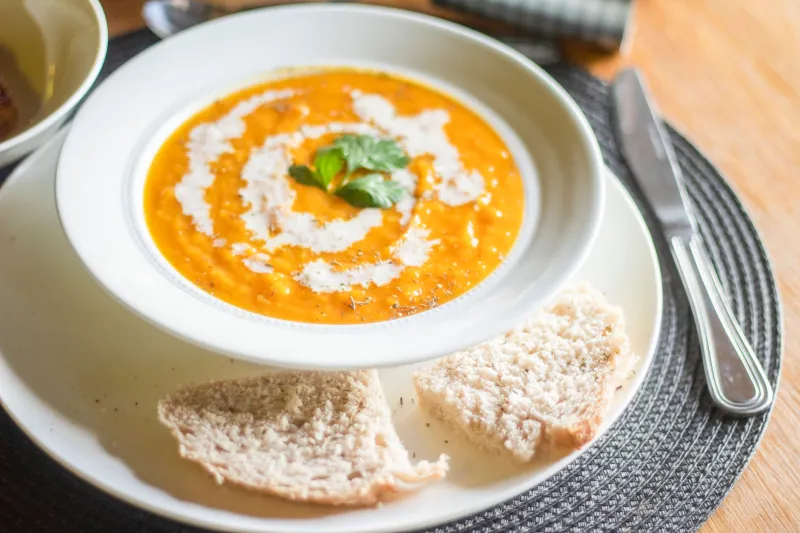
Keep it simple. A local bitter, a cider from a few miles away, a half if that is what you fancy. Ask what is on and take the answer. Food-wise, think cheese sandwich, soup, a pie, a plate of ham and pickles. The quiet pub is not the place for a tasting menu or a cocktail list longer than the specials board. It is the place for a pint that tastes like it belongs to the room.
Carry a little cash, too. Not every quiet pub is stuck in the past, but some still prefer it, and nobody minds.
Six rooms to seek out
The Brace of Pheasants, Plush. A hamlet pub down lanes that seem to fold in on themselves. Low beams, a proper fire, and a sense that the world outside has been politely asked to wait. Good for a long lunch that turns into an early evening.
The Ship Inn, West Stour. A village pub with no need for theatre. Plain, honest and comfortable, the kind of place where the conversation at the bar is more interesting than anything on a screen.
The Thimble Inn, Piddlehinton. Small enough to feel like a room rather than a venue. A fire, a short menu and a comfortable lack of urgency. Book if you want to eat at a sensible hour; otherwise, take your chances at the bar.
The Fox & Hounds, Cattistock. A village-green sort of pub, with the settled rhythm of a place that knows its regulars. Not silent, not sleepy, just unhurried.
The Crown, Marnhull. An old building with corners to hide in and a fire that earns its keep. It can be busier at meal times, but the quiet hours are properly quiet.
The Saxon Arms, Stratton. A no-fuss pub on the edge of town, useful for a pint when you want company without a performance. The sort of room where you can read two pages of a book and nobody asks why.
Why these rooms matter
A quiet pub is not antisocial. It is social at a human volume. It gives you a third place between home and everywhere else, a room where you can sit with a friend, or a stranger, or nobody at all, and not feel that you are failing at leisure.
In a county full of loud weekends, that is worth something. Dorset Dorset has always liked the coast and the countryside best when they are allowed to be themselves. These pubs are the same. They are not trying to be anything other than what they are: a worn settle, a low fire, a decent pint and a conversation that is not competing with anything.
Go on a Tuesday. Order the house bitter. Put your phone away. Let the room settle around you.