The Slow Platform: Six Dorset Halts Worth Missing a Train For
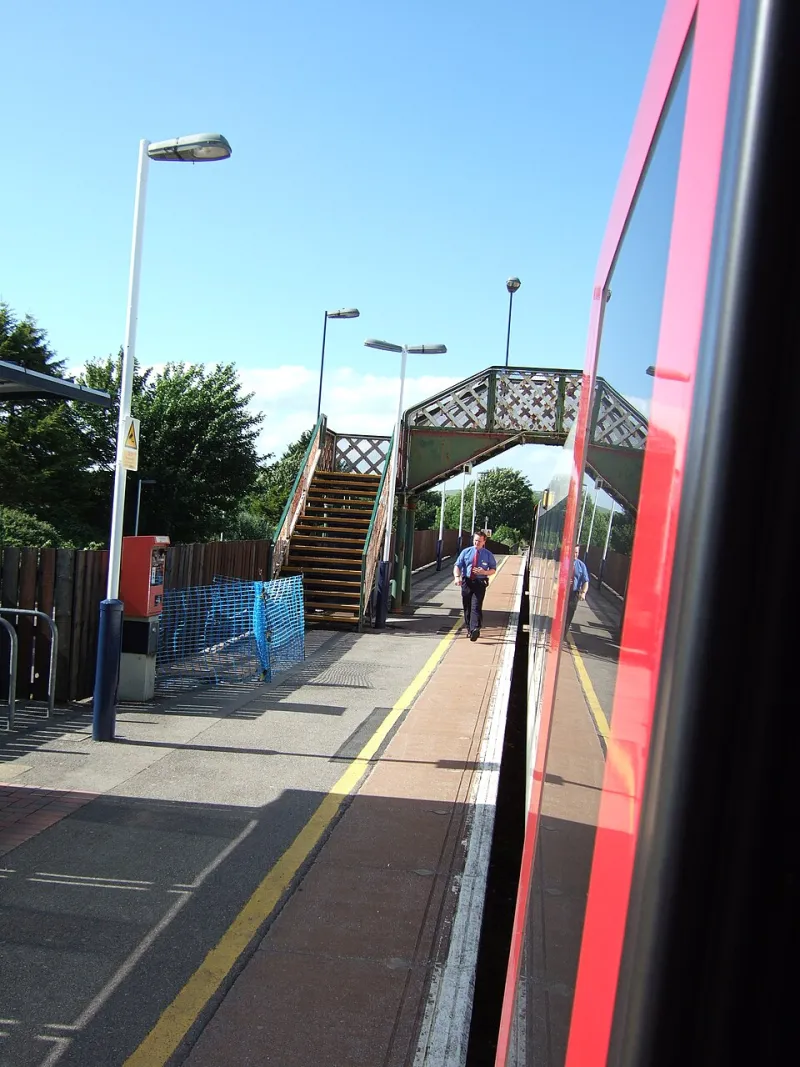
Photo: Edward Betts, Public domain, via Wikimedia Commons
There is a particular pleasure in getting off a train at a station so small it feels like a secret handshake. No taxi rank, no coffee kiosk, no announcements telling you to mind the gap. Just a platform, a footpath and the low hum of somewhere quieter than where you came from. Dorset has a handful of these halts, and in 2026 they remain one of the most underrated ways into the county.
Why the halts matter
The Heart of Wessex line between Bristol and Weymouth still stops at places that barely register on a map, while the Swanage Railway runs heritage services through Purbeck on its own generous timetable. The trick is not to treat these stations as transport. Treat them as destinations. The gaps between trains are long — often two hours or more — and that is exactly the point. You are not squeezing a day out around a timetable; you are letting the timetable set the pace.
Chetnole: the pub-at-the-end-of-the-platform
Chetnole is the kind of station where you step off and wonder if you have accidentally wandered onto someone’s driveway. You have not. A short walk brings you to the Chetnole Inn, a proper village pub with a garden and a menu that rewards a slow lunch. If you have two hours, take the footpath loop around the village first, then settle in for a pint before the return train. Check pub hours before you go — rural Dorset does not always run to city schedules.
Yetminster: honey stone and a proper village shop
Yetminster feels like it was built for a period drama, all golden Ham stone and narrow lanes. The station is a short stroll from the centre, where you can potter past St Andrew’s Church and pick up supplies from the village shop. The White Hart is the obvious pub stop, but the real pleasure here is simply walking the streets. Two hours is enough for a loop, a coffee and a bit of aimless lingering.
Thornford: the quiet one
Thornford is even smaller, a request stop on the Heart of Wessex line where you may be the only person getting off. The Rose & Crown is a short walk away and does the sort of straightforward pub food that tastes better after a train ride. There are footpaths into the surrounding fields, but keep an eye on the time — this is not a place to miss the last train back.
Moreton: trees, Tolpuddle and a tea stop
Moreton station sits on the South Western main line, but it feels like a country halt that has been left behind by accident. The village has a tea room and a church with Laurence Whistler’s etched glass windows, and the walks towards Tolpuddle are gentle enough for a damp morning. If you have longer than two hours, the Tolpuddle Martyrs’ Museum is a genuinely worthwhile detour. If not, a loop back to the platform via the lanes is enough.
Herston Halt: the Swanage back door
On the Swanage Railway, Herston Halt is a request stop with a wooden platform and a view over the town. On running days, it is a lovely way to arrive in Swanage without the car park scrum. Walk down into town, get fish and chips, and wander the seafront before catching a later train back. The heritage line does not run every day in every season, so check the 2026 timetable before you commit.
Harman’s Cross: the halfway pub
Harman’s Cross is another Swanage Railway stop, and it has the feel of a place built for walkers who have earned a sit-down. The Halfway Inn is nearby, and the lanes around the village make for an easy amble. If the weather is kind, you can walk towards Corfe Castle and pick up the train further along; if it is not, the pub is a perfectly respectable Plan B.
The two-hour rule
Do not overplan these trips. The whole appeal is that you cannot do everything. Pick one walk, one pub, one view. Check the train times before you leave the platform, note the last service back, and build in a buffer. Some halts are request stops, so tell the conductor you want to get off. And bring a layer — rural platforms are windier than they look.
Doing it car-free in 2026
The Heart of Wessex line still rewards a bit of forward planning, with infrequent services and limited Sunday trains. The Swanage Railway is a heritage operation, so its running days vary. Book ahead where you can, keep an offline copy of the timetable, and do not rely on the last train of the day. The reward is a Saturday that feels deliberately slow — a pub lunch, a short walk and a platform that asks nothing more of you than to wait.