Flagon Weather: A Cider Crawl Through the Blackmore Vale
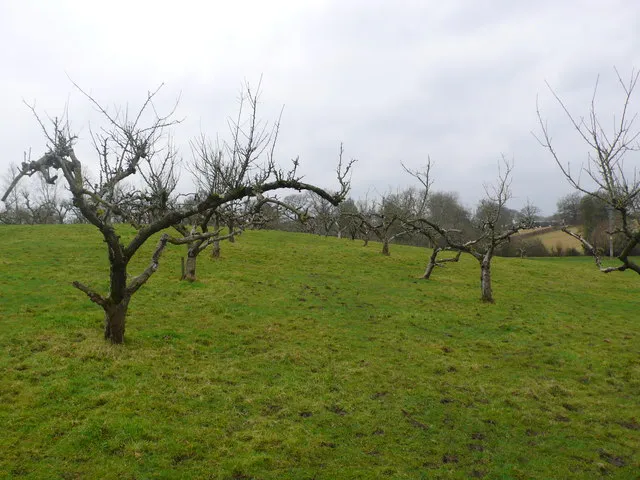
Photo: Nigel Mykura, CC BY-SA 2.0, via Wikimedia Commons
Cider in Dorset is often treated as a summer festival drink, something to have warm and fizzy in a field. In the Blackmore Vale it is a winter drink. The orchards are leafless, the lanes are muddy and the pubs have their fires lit. This is a crawl for a cold day, not a bender: a few farm gates, a couple of village pubs and a bottle or two to take home.
The orchard belt
Between Sturminster Newton, Marnhull, Stalbridge and the edge of Shaftesbury, small orchards still sit behind hedges and farmhouses. The apples are old cider varieties with names like Dabinett, Michelin and Yarlington Mill. Many of these places are working farms, not visitor attractions. You will see hand-painted signs at gate ends and honesty boxes on walls. Some producers sell by appointment, some by the flagon, some by the bag-in-box.
Farm gate rules
Ring ahead if you can. Ask what is ready, how dry it is and whether it is still or sparkling. Bring a crate and an old towel for the boot, and do not pick apples without asking. A grower near Marnhull once told us that the best cider is made in the shed, not the shop, and that a good flagon should taste of apple skin, hay and a little tannin. Take a half-pint first before committing to a large container.
The crawl
Start with a farm gate near Marnhull and buy something dry and still. Then head to the Crown at Marnhull for a fire and a proper meal. From there, the White Horse at Stourpaine is a good second stop, and Sturminster Newton has old market-town pubs that pour local brews. Finish in Shaftesbury if you have a driver, or call it a day after two stops and leave the rest for another winter.
Tasting notes for a cold afternoon
Dorset cider is often tannic and bone dry. Serve it cool, not icy. Let a still cider breathe for a minute and try it in a half pint before deciding. If it is cloudy, that is not a fault. If it smells of farmyard, that can be the sign of a natural cider rather than a bad one, but you are allowed not to like it. Ask the landlord what comes from within twenty miles; many pubs keep one local cider alongside the national brands.
Drivers, taxis and trains
Rural taxis in this part of Dorset do not cruise the lanes. Book a return before your first pint and agree the fare. Gillingham has a railway station, and Sherborne is useful for the western edge, but the farm gates are scattered; a designated driver is still the kindest plan. If you are driving, order a half, taste it and leave the rest. Ask for a spittoon if you are tasting properly. Eat something substantial and do not rely on a phone app to find a cab after dark.
Getting bottles home without a soggy boot
Stand flagons and bottles upright in a crate. Put an old towel underneath. Do not let them roll around next to muddy boots, and do not leave them in a warm car for hours. Check the caps before you set off. Bag-in-box is easier if you are travelling by train, and a sturdy carrier bag is better than a hopeful cardboard box. This is how you avoid a boot full of rolling bottles and a soggy box that smells of apples for a fortnight.
The last word
Dorset cider is not a museum piece. It is a working farm product, sold in kitchens and sheds and poured in village pubs that still have a proper fire. Go slowly, ask questions, buy less than you think you want and book the taxi home. The orchards will still be there next winter.